
The custom motorcycle helmet design and manufacturing process includes product planning, industrial design, engineering development, prototype testing, certification preparation, mass production, and quality inspection. A professional helmet manufacturer helps brands turn unique product ideas into safe, reliable, and market-ready helmets.
Custom motorcycle helmets have become an important product category for brands that want to stand out in competitive markets. Riders are not only looking for safety. They also care about design, comfort, weight, technology, and brand identity.
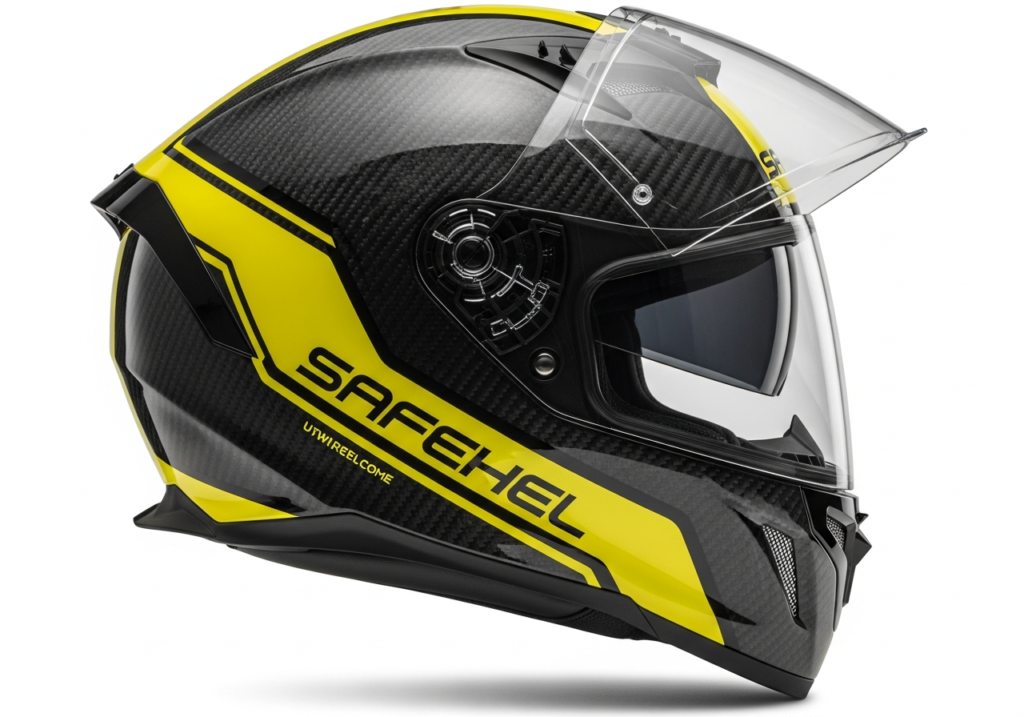
For motorcycle equipment companies, distributors, and private-label brands, developing a custom helmet requires more than creating an attractive appearance. The product must combine safety performance, production feasibility, certification requirements, and consistent manufacturing quality.
A complete custom helmet project involves multiple stages. Each stage affects the final product quality, production cost, and market success.
What Are the Main Steps in Custom Motorcycle Helmet Development?
The custom motorcycle helmet development process starts with product planning and ends with large-scale production. Each step requires technical knowledge and close cooperation between the brand and manufacturer.
The typical development process includes:
| Development Stage | Main Activities |
|---|---|
| Market research | Define target customers and product position |
| Product design | Create appearance and functional concepts |
| Engineering development | Develop structure and manufacturing solutions |
| Prototype production | Create samples for evaluation |
| Testing and certification | Verify safety performance |
| Mass production | Manufacture approved products |
| Quality inspection | Ensure consistent product quality |
The first step is understanding the target market. Different customers have different expectations. A racing helmet requires lightweight performance, while a touring helmet may focus more on comfort and long-distance riding.
A professional manufacturer evaluates these requirements before development begins. This helps create a helmet that is attractive, functional, and suitable for the intended market.
How Does the Design Stage Work for Custom Motorcycle Helmets?
The design stage transforms a brand concept into a practical helmet idea. This includes appearance design, functional planning, and product positioning.
During the design process, brands usually consider:
| Design Element | Development Focus |
|---|---|
| Helmet shape | Style and aerodynamic performance |
| Color design | Brand recognition |
| Graphics | Market appeal |
| Ventilation | Rider comfort |
| Visor system | Visibility and protection |
| Interior design | Fit and user experience |
A successful helmet design must balance appearance and performance. A design that looks impressive but creates production difficulties may increase costs or delay development.
Experienced manufacturers provide engineering suggestions during the design stage. They help evaluate whether the design can be produced efficiently while maintaining safety requirements.
For example, complex shell shapes, special finishes, or unique accessories may require additional tooling or manufacturing adjustments. Early technical communication helps avoid problems during later production.
For premium helmet brands, material selection is also an important part of design strategy. Lightweight materials such as carbon fiber are widely used in performance-focused helmets because they provide excellent strength while reducing weight. Brands developing advanced products may consider solutions such as carbon fiber helmets to create higher-value helmet collections.
How Is Helmet Engineering Developed After Design Approval?
After the design concept is confirmed, the project moves into engineering development. This stage ensures that the helmet design can become a real production product.
Engineering development usually includes:
| Engineering Area | Key Work |
|---|---|
| Shell structure | Develop outer protection system |
| EPS liner | Design impact absorption structure |
| Ventilation system | Improve airflow performance |
| Internal padding | Improve comfort and fitting |
| Accessories | Integrate visors, buckles, and components |
The helmet structure must meet both safety and manufacturing requirements. Engineers need to consider impact protection, durability, rider comfort, and production efficiency at the same time.
The shell and EPS liner are especially important because they directly influence safety performance. The retention system, visor mechanism, and interior padding also affect the overall riding experience.
A professional OEM manufacturer uses engineering experience to solve practical challenges. This includes selecting suitable materials, improving production methods, and ensuring the final product can meet certification standards.
Strong engineering capability is one of the biggest differences between a basic supplier and an experienced helmet manufacturing partner.
How Are Custom Motorcycle Helmet Prototypes Made and Tested?
Prototype development is a critical stage before mass production. It allows brands to evaluate the design, comfort, appearance, and performance of the helmet.
The prototype process usually includes:
| Prototype Stage | Purpose |
|---|---|
| Initial sample | Check overall design |
| Functional sample | Test structure and components |
| Certification sample | Prepare for official testing |
| Final approval sample | Confirm mass production standard |
During prototype evaluation, brands usually check:
- Helmet appearance
- Size and fitting
- Weight
- Ventilation performance
- Interior comfort
- Visor operation
- Product details
Testing is especially important for helmets designed for regulated markets. Products may need to meet standards such as DOT, ECE, CPSC, or CE depending on the target region.
A professional manufacturer understands that the certified sample and mass production products must remain consistent. Any major difference between testing samples and final products can create compliance and quality risks.
How Does Mass Production Work for Custom Motorcycle Helmets?
After the prototype is approved and certification requirements are completed, the helmet moves into mass production.
The manufacturing process generally includes:
| Production Step | Quality Focus |
|---|---|
| Material preparation | Verify raw material quality |
| Shell molding | Maintain shape accuracy |
| EPS production | Ensure impact absorption performance |
| Surface treatment | Control paint and graphic quality |
| Assembly | Confirm component installation |
| Final inspection | Check finished product |
Large-scale helmet production requires strict process control. Small differences between production batches can affect appearance, comfort, and customer satisfaction.
Common problems that brands want to avoid include:
- Color inconsistency
- Poor surface finishing
- Loose accessories
- Incorrect packaging
- Different interior materials
- Delivery delays
A reliable factory uses quality control systems throughout production to maintain consistent results.
For brands, stable manufacturing capability is especially important because product quality directly affects customer reviews, distributor relationships, and repeat orders.
Why Is Choosing the Right Custom Helmet Manufacturer Important?
The success of a custom motorcycle helmet project depends heavily on the manufacturer’s experience and capabilities.
A capable manufacturing partner should provide:
| Capability | Business Value |
|---|---|
| Product design support | Faster development |
| Engineering expertise | Better production solutions |
| Certification experience | Reduced compliance risks |
| Quality control | Stable product performance |
| OEM/ODM service | Flexible customization |
A manufacturer with complete development and production capabilities can support the entire process from concept to finished product.
This is especially valuable for brands that need customized solutions, including unique designs, private labels, special materials, and market-specific certifications.
An experienced motorcycle helmet manufacturer can help brands manage product development efficiently while maintaining safety, quality, and production reliability.
What Makes a Successful Custom Motorcycle Helmet Project?
A successful custom helmet project requires the right combination of design creativity, engineering knowledge, certification experience, and manufacturing control.
The best results come from cooperation between brands and manufacturers that understand both market needs and production realities.
Whether developing a premium racing helmet, a touring helmet, or a new private-label product line, a professional manufacturing partner can help transform ideas into reliable products ready for global markets.
Conclusion
Custom motorcycle helmet development requires careful planning from design to production. Working with an experienced manufacturer helps brands create safe, customized, and competitive helmets for international markets.