
Developing a custom motorcycle helmet for a brand requires a complete process that includes market research, product design, engineering development, prototype testing, certification, and mass production. A professional helmet manufacturer helps brands create unique helmets that match customer needs while meeting safety standards such as DOT and ECE.
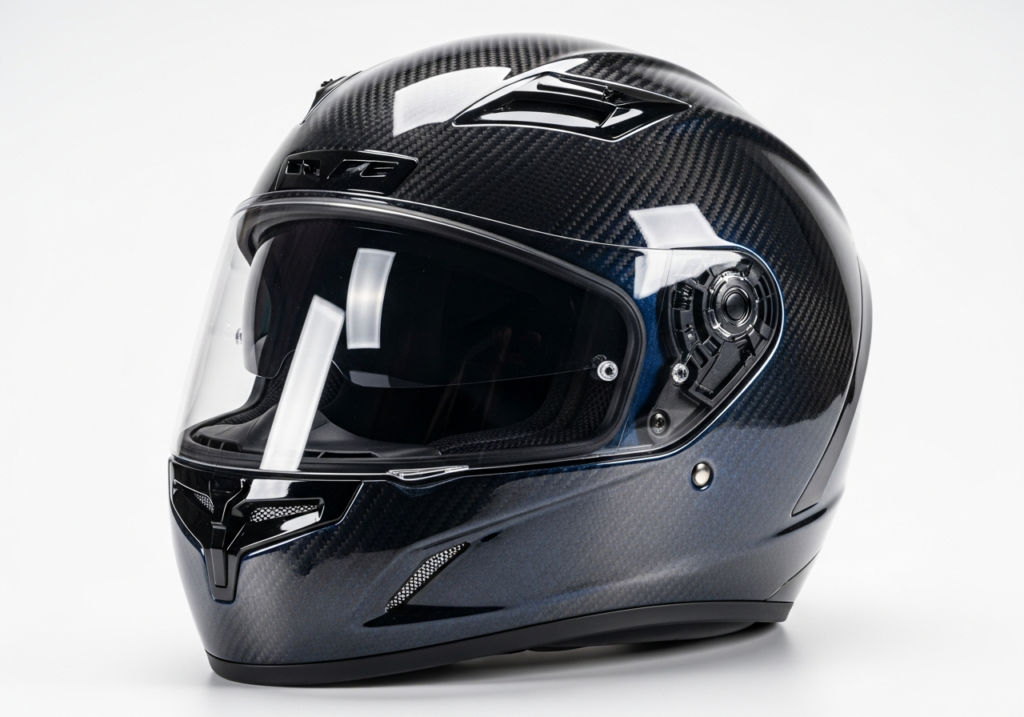
A custom motorcycle helmet is more than a product with a logo. For motorcycle brands, it represents brand identity, customer trust, and market positioning. A well-developed helmet can help companies create stronger product differentiation, improve customer loyalty, and build long-term value.
Many motorcycle equipment companies, distributors, and private-label brands want to create their own helmet lines but face challenges during development. These challenges include selecting suitable materials, controlling production costs, meeting certification requirements, and ensuring consistent quality after mass production.
A successful custom helmet project requires a clear development strategy and an experienced manufacturing partner that can support every stage from concept to final delivery.
What Should Be Prepared Before Developing a Custom Motorcycle Helmet?
Before starting a custom motorcycle helmet project, brands need to define their product goals and market requirements. Clear planning helps avoid unnecessary changes and reduces development risks.
The first stage usually focuses on:
| Planning Area | Key Considerations |
|---|---|
| Target customers | Rider type, age group, riding habits |
| Market position | Entry-level, mid-range, premium |
| Helmet category | Full face, modular, open face, off-road |
| Certification | DOT, ECE, CPSC, CE requirements |
| Production volume | Trial order and future demand |
| Budget | Material, tooling, and development cost |
Understanding the target market is one of the most important steps. A helmet designed for daily commuters may require different features compared with a racing helmet.
For example, touring riders may prioritize comfort, ventilation, and noise reduction, while performance riders may focus on weight, aerodynamics, and advanced materials.
Brands should also consider how the helmet fits into their overall product strategy. Some companies use helmets as their main product category, while others combine helmets with gloves, jackets, and other motorcycle accessories.
A clear product plan allows the manufacturer to recommend suitable designs, materials, and production solutions.
How Is the Design Created for a Custom Motorcycle Helmet?
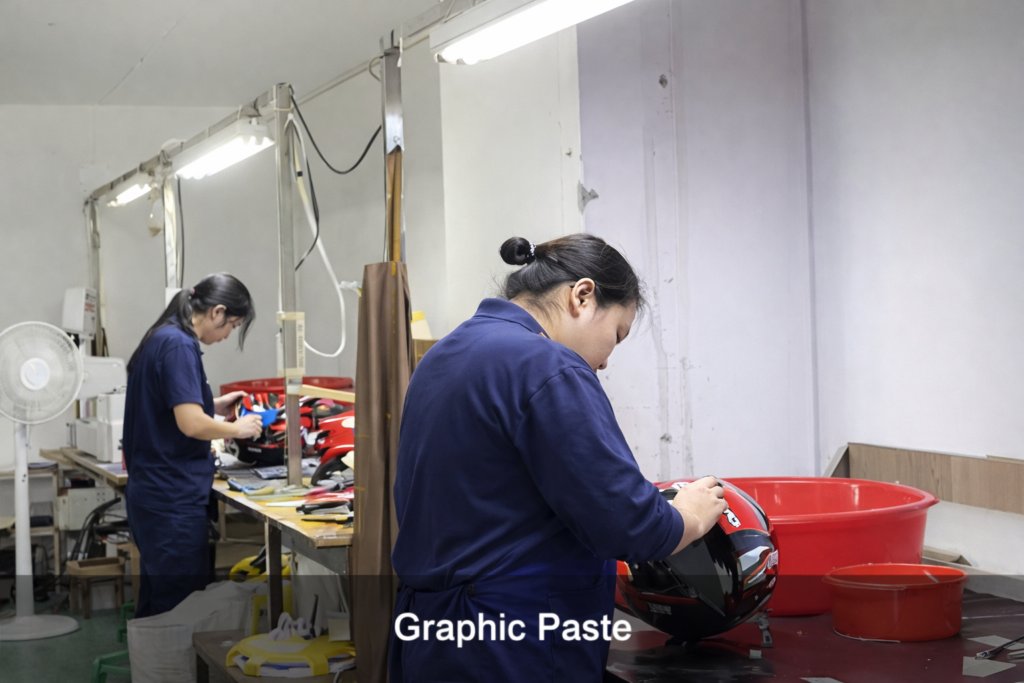
After the product requirements are confirmed, the next step is creating the helmet design. This stage combines brand identity, rider expectations, and manufacturing possibilities.
The design process usually includes:
| Design Element | Development Focus |
|---|---|
| Exterior shape | Brand style and market appeal |
| Graphics | Visual identity |
| Color options | Product differentiation |
| Ventilation system | Riding comfort |
| Visor design | Visibility and protection |
| Interior structure | Fit and user experience |
A successful helmet design needs both visual appeal and practical performance. A unique appearance can attract customers, but the helmet must also provide comfort, durability, and safety.
Professional manufacturers help brands evaluate whether a design can be produced efficiently. Some designs may require special molds, advanced materials, or additional production steps.
Material selection is also an important part of design development. Different materials create different product advantages.
For premium helmet collections, lightweight materials are often considered. Carbon fiber, for example, is widely used in high-performance helmets because it offers a strong balance between weight reduction and structural strength. Brands developing premium products may explore options such as carbon fiber helmets to create higher-value product lines.
How Does Engineering Development Turn a Design Into a Real Product?
A design concept must be transformed into a manufacturable helmet through engineering development. This stage ensures the product can achieve the required safety performance and production stability.
Engineering development includes:
| Engineering Area | Purpose |
|---|---|
| Shell structure | Create protective outer layer |
| EPS liner design | Improve impact absorption |
| Component integration | Ensure proper assembly |
| Mold development | Support accurate production |
| Material testing | Verify performance |
The shell and EPS liner are the core safety components of a motorcycle helmet. Engineers must carefully balance protection, weight, comfort, and manufacturing efficiency.
The retention system, visor mechanism, and ventilation channels also require detailed development because they affect both safety and rider experience.
An experienced OEM manufacturer can identify potential issues before production begins. This helps brands avoid expensive redesigns and delays.
Engineering support is especially important for companies without their own technical teams. A capable factory can provide recommendations based on production experience, certification requirements, and market expectations.
How Are Prototype Samples Developed and Improved?
Prototype development allows brands to test the actual helmet before entering mass production. This stage helps identify improvements in design, comfort, and performance.
The prototype process usually includes:
| Sample Stage | Purpose |
|---|---|
| First prototype | Confirm basic appearance and structure |
| Functional sample | Check components and performance |
| Testing sample | Prepare for certification |
| Final approval sample | Set production standard |
During prototype evaluation, brands usually review:
- Helmet size and fitting
- Weight and balance
- Interior comfort
- Ventilation performance
- Visor operation
- Appearance details
- Packaging presentation
Prototype testing is a critical step because changes are easier and less expensive before mass production.
A professional manufacturer works with brands to improve the product until it meets expectations. This cooperation helps ensure that the final production helmet matches the original design concept.
How Does Certification Work for Custom Motorcycle Helmets?
Safety certification is one of the most important parts of custom helmet development. Different markets require different standards, and manufacturers must understand these requirements from the beginning.
Common motorcycle helmet certifications include:
| Certification | Main Market |
|---|---|
| DOT FMVSS 218 | United States |
| ECE 22.06 | Europe and international markets |
| CPSC | Bicycle helmet market |
| CE | European compliance requirements |
Certification testing may evaluate:
- Impact resistance
- Helmet retention system
- Field of vision
- Shell performance
- Labeling requirements
A reliable manufacturer ensures that the certified sample and production units remain consistent. This is important because any major production change may affect compliance.
For international brands, certification experience reduces market entry risks and helps ensure smoother product launches.
How Is Mass Production Managed for Custom Helmet Orders?
After approval of the final sample and certification preparation, the helmet enters mass production.
The production process includes:
| Production Stage | Quality Control Focus |
|---|---|
| Material inspection | Confirm raw material quality |
| Shell production | Maintain structure consistency |
| EPS molding | Control safety performance |
| Painting and graphics | Maintain appearance quality |
| Assembly | Verify component accuracy |
| Final inspection | Prevent defective shipments |
Mass production requires strict quality control because customers expect every helmet to match the approved sample.
Common problems caused by weak production management include:
- Different colors between batches
- Poor finishing quality
- Incorrect accessories
- Packaging mistakes
- Delivery delays
A professional factory uses production monitoring systems to maintain consistency and improve reliability.
How Can Brands Choose the Right Manufacturing Partner?
Choosing the right manufacturing partner is one of the most important decisions in custom helmet development.
A suitable partner should provide:
| Capability | Importance |
|---|---|
| OEM/ODM experience | Supports different brand needs |
| Certification knowledge | Reduces compliance risks |
| Engineering team | Improves product development |
| Quality system | Ensures stable production |
| Export experience | Supports global markets |
A strong manufacturer does not only produce helmets. It provides complete solutions from design support to final shipment.
Brands looking for a reliable partner should consider an experienced motorcycle helmet manufacturer that can provide product development, customization, certification support, and stable manufacturing capacity.
Conclusion
Developing a custom motorcycle helmet requires careful planning, professional engineering, and reliable production control. With the right manufacturing partner, brands can create safe, customized, and competitive helmets for global markets.