
Carbon fiber motorcycle helmets have become one of the most popular choices among professional riders and motorcycle enthusiasts. Compared with traditional ABS or polycarbonate helmets, carbon fiber helmets offer superior strength, lightweight performance, and enhanced impact resistance. Riders choose carbon fiber motorcycle helmets not only for safety, but also for comfort, aerodynamics, and premium design.
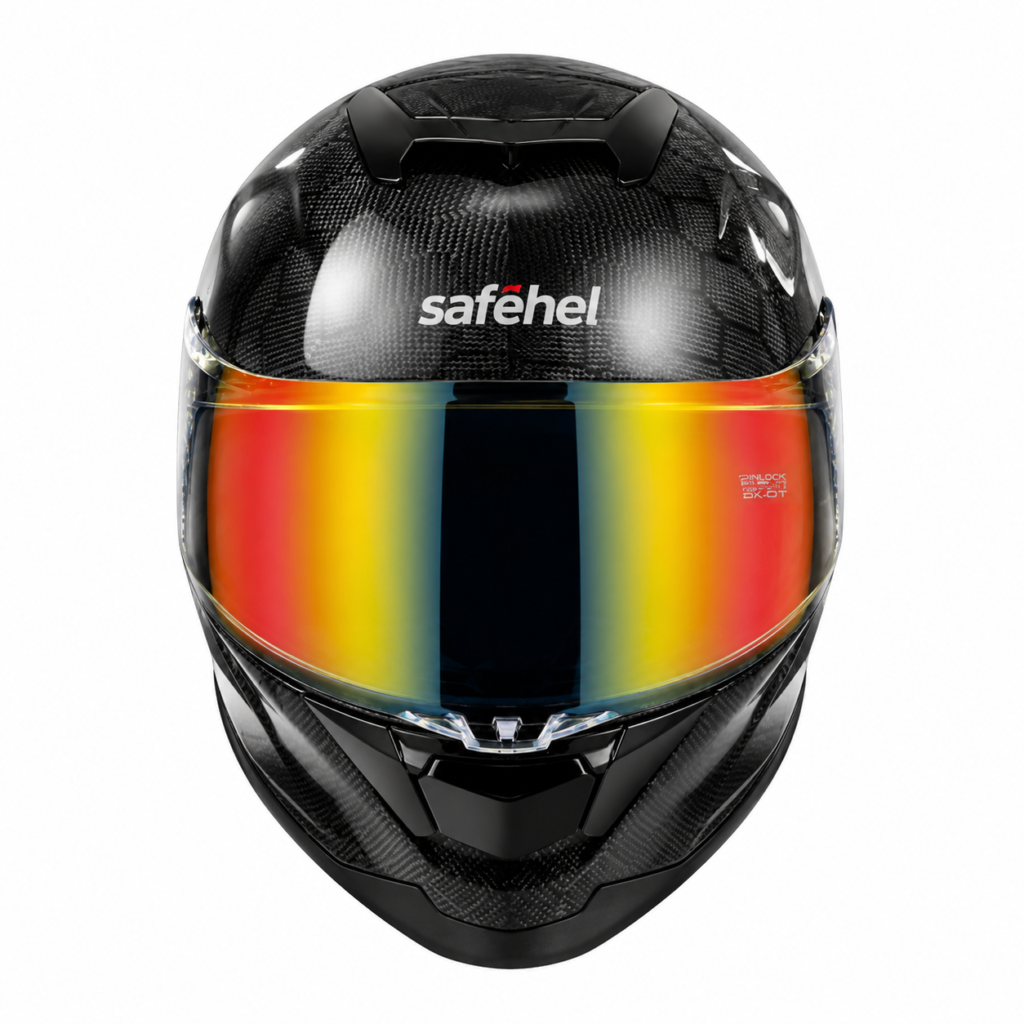
Modern carbon fiber motorcycle helmets are designed with advanced materials and manufacturing technology to improve rider protection during daily commuting, racing, touring, and high-speed riding. Features such as lightweight carbon fiber shells, aerodynamic structures, ventilation systems, and reinforced visors help deliver a safer and more comfortable riding experience on different road conditions.
With so many carbon fiber motorcycle helmet manufacturers and styles available on the market, choosing the right helmet can feel overwhelming. This guide will help you understand the key features, materials, safety standards, and performance factors to consider when selecting the best carbon fiber motorcycle helmet for your riding needs.
Key Takeaways
- Carbon fiber motorcycle helmets offer excellent strength, lightweight performance, and superior impact resistance compared with traditional helmet materials.
- Certified safety standards such as DOT, ECE, and Snell help ensure the helmet provides reliable protection during daily riding and high-speed use.
- Lightweight carbon fiber construction helps reduce neck fatigue and improves riding comfort during long-distance travel and racing.
- Advanced ventilation systems improve airflow, reduce heat buildup, and enhance rider comfort in different weather conditions.
- Aerodynamic helmet designs help reduce wind resistance, riding noise, and helmet movement at high speeds.
- High-quality carbon fiber motorcycle helmets often include anti-scratch visors, removable liners, moisture-wicking padding, and reinforced chin straps for better comfort and functionality.
- Choosing the right helmet size and fit is essential for both safety and long-term riding comfort.
- Professional carbon fiber motorcycle helmet manufacturers combine advanced materials, safety technology, and modern design to improve rider protection and overall riding experience.
Understanding Carbon Fiber Motorcycle Helmet Safety Standards
Safety is one of the most important factors when choosing a carbon fiber motorcycle helmet. Professional helmet manufacturers test carbon fiber helmets under strict safety standards to ensure strong impact protection during high-speed riding and accidents. The most recognized certifications include DOT (Department of Transportation), ECE (Economic Commission for Europe), and Snell certifications.
A certified carbon fiber motorcycle helmet must pass multiple impact, penetration, and retention system tests before reaching the market. These safety standards help ensure the helmet can provide reliable head protection while maintaining lightweight performance and structural strength. When choosing a carbon fiber motorcycle helmet, always check for certified safety labels to ensure the helmet meets international protection requirements.
Key Factors to Consider When Choosing a Carbon Fiber Motorcycle Helmet
When selecting a carbon fiber motorcycle helmet, several important features directly affect safety, comfort, and riding performance.
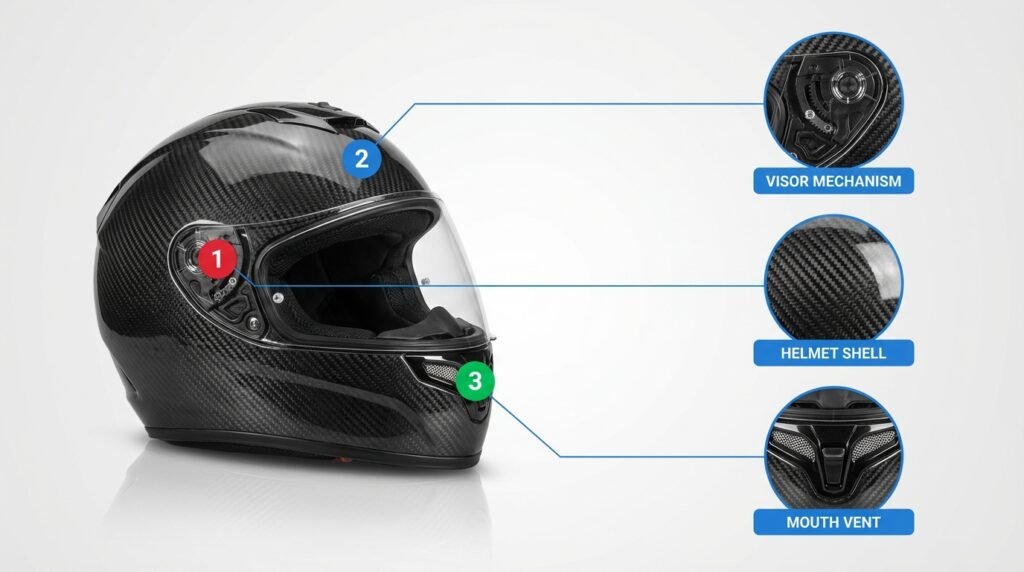
Carbon Fiber Shell Material
The shell material plays a major role in helmet performance. Carbon fiber motorcycle helmets are popular because they offer an excellent balance of lightweight construction, high strength, and impact resistance. Compared with traditional ABS helmets, carbon fiber helmets are significantly lighter while still providing premium protection.
Lightweight Performance
One of the biggest advantages of a carbon fiber motorcycle helmet is reduced weight. A lightweight helmet helps reduce neck fatigue during long-distance riding, racing, and touring. Riders can enjoy better comfort and improved stability at high speeds.
Ventilation System
Good airflow is essential for rider comfort. Modern carbon fiber motorcycle helmets often include advanced ventilation systems with adjustable air vents and aerodynamic channels. Proper ventilation helps reduce heat buildup, improve airflow, and keep riders comfortable during long rides and warm weather conditions.
Aerodynamic Design
Many premium carbon fiber helmets use aerodynamic shell designs to reduce wind resistance and riding noise. This improves stability and comfort, especially during high-speed riding and professional racing situations.
Visor and Interior Comfort
A high-quality carbon fiber motorcycle helmet should also include a clear anti-scratch visor, removable inner lining, moisture-wicking padding, and comfortable cheek pads. These features help improve visibility, hygiene, and long-term riding comfort.
The Importance of Aerodynamic Design in Carbon Fiber Motorcycle Helmets

Aerodynamics play an important role in the performance and comfort of a carbon fiber motorcycle helmet. A well-designed aerodynamic helmet helps reduce wind resistance, minimize riding noise, and improve stability during high-speed riding. Professional carbon fiber motorcycle helmet manufacturers invest heavily in aerodynamic research and wind tunnel testing to improve helmet performance under different riding conditions.
Modern carbon fiber motorcycle helmets often feature streamlined shell shapes, rear spoilers, and optimized ventilation channels to reduce drag and helmet movement. These aerodynamic designs help riders experience better comfort, less neck strain, and improved control during racing, touring, and long-distance riding.
Visor Technology for Better Visibility and Protection
The visor is one of the most important safety features of a motorcycle helmet. Advanced visor technology helps improve riding visibility while protecting riders from wind, dust, rain, sunlight, and road debris.
Many premium carbon fiber motorcycle helmets include features such as:
- Anti-fog visors
- Anti-scratch coatings
- UV protection
- Quick-release visor systems
- Wide-angle visibility design
High-quality visor systems improve visual clarity and riding safety in different weather and road conditions. Some professional racing helmets also include tinted or interchangeable visors for enhanced performance during daytime and night riding.
Proper Helmet Size and Fit for Maximum Protection
Even the best carbon fiber motorcycle helmet cannot provide proper protection if it does not fit correctly. A helmet should fit securely around the rider’s head without creating excessive pressure or discomfort.
A properly fitted motorcycle helmet should:
- Sit evenly on the head
- Remain stable during movement
- Avoid pressure points
- Provide secure cheek support
- Keep the chin strap comfortably tight
Most carbon fiber motorcycle helmet manufacturers provide detailed sizing charts to help riders choose the correct helmet size. Trying on different helmet shapes and sizes is one of the best ways to ensure maximum safety, comfort, and riding performance.
Different Types of Carbon Fiber Motorcycle Helmets
Choosing the right type of carbon fiber motorcycle helmet is just as important as selecting the right material and safety certification. Different helmet styles are designed for different riding conditions, comfort levels, and protection needs.
Full Face Carbon Fiber Helmets
Full face helmets provide the highest level of protection because they cover the entire head, including the chin and face area. These helmets are popular among sport bike riders, professional racers, and long-distance riders because they offer excellent aerodynamics, wind protection, and impact resistance.
Modular Carbon Fiber Helmets
Modular helmets combine the protection of a full face helmet with the convenience of a flip-up design. Riders can easily lift the front section when stopping, talking, or taking short breaks. These helmets are ideal for touring and commuting riders who want flexibility and comfort.
Open Face Carbon Fiber Helmets
Open face helmets provide a wider field of vision and better airflow while maintaining lightweight comfort. They are commonly used for city riding, cruising, and casual motorcycle travel. However, they provide less facial protection compared with full face helmets.
Off-Road and Adventure Helmets
Adventure and motocross helmets are designed for off-road riding and rough terrain. They usually include extended chin protection, larger visors, and improved ventilation systems for dirt riding and long outdoor adventures.
Helmet Ventilation and Rider Comfort
Ventilation systems are essential for maintaining comfort during long rides. Premium carbon fiber motorcycle helmets use advanced airflow channels and adjustable intake vents to improve cooling performance and reduce heat buildup inside the helmet.
A good ventilation system can help:
- Improve airflow circulation
- Reduce sweat and moisture buildup
- Prevent visor fogging
- Increase riding comfort in warm weather
Many high-end carbon fiber helmets also include removable and washable inner liners to improve hygiene and long-term comfort.
Why Carbon Fiber Helmets Are Popular Among Professional Riders
Professional riders often choose carbon fiber motorcycle helmets because they offer an ideal balance between safety, lightweight performance, and advanced design.
Compared with traditional helmet materials, carbon fiber helmets provide:
| Feature | Carbon Fiber Helmet Advantage |
|---|---|
| Weight | Significantly lighter |
| Strength | Excellent impact resistance |
| Comfort | Reduced neck fatigue |
| Durability | Long-lasting shell performance |
| Appearance | Premium modern design |
The lightweight construction helps riders maintain better comfort during high-speed riding, racing, and long-distance touring while still receiving strong protection.
How to Maintain a Carbon Fiber Motorcycle Helmet
Proper helmet maintenance helps extend product lifespan and maintain safety performance.
Here are several important maintenance tips:
- Clean the helmet shell with a soft microfiber cloth
- Avoid using harsh chemicals on carbon fiber surfaces
- Store the helmet in a cool and dry place
- Regularly inspect the visor and chin strap
- Replace damaged or worn interior padding
- Avoid dropping the helmet on hard surfaces
Regular cleaning and inspection help maintain both helmet appearance and riding safety.
Conclusion
Choosing the best carbon fiber motorcycle helmet is an important investment in rider safety, comfort, and long-term performance. Modern carbon fiber helmets combine lightweight construction, advanced impact protection, aerodynamic design, and premium comfort features to meet the needs of professional riders and motorcycle enthusiasts worldwide.
When selecting a carbon fiber motorcycle helmet, riders should carefully evaluate safety certifications, shell materials, ventilation systems, visor technology, aerodynamic performance, and overall fit. A properly designed helmet not only improves protection during accidents but also enhances riding comfort during daily commuting, touring, and high-speed riding.
As motorcycle helmet technology continues to evolve, professional carbon fiber motorcycle helmet manufacturers are developing lighter, safer, and more advanced helmet solutions for global markets. Investing in a high-quality carbon fiber motorcycle helmet helps riders achieve better protection, improved comfort, and greater confidence on every ride.