Starting a cycling helmet brand is no longer limited to large sports companies with massive manufacturing budgets. The global cycling industry has grown rapidly in recent years, driven by urban commuting, mountain biking, road cycling, e-bikes, fitness culture, and increasing awareness of rider safety.
As demand continues rising, more entrepreneurs, sports retailers, cycling influencers, and outdoor brands are entering the bicycle helmet market with custom products and private label collections.
However, launching a successful cycling helmet brand involves much more than simply placing a logo on a helmet shell. Modern consumers expect certified safety protection, lightweight comfort, aerodynamic design, advanced ventilation systems, stylish appearance, and reliable long-term performance.
Because cycling helmets are safety products, manufacturing quality, certification standards, and supplier selection all directly affect brand reputation and long-term business success.
This guide explains how to start your own cycling helmet brand, how custom bike helmets are manufactured, how OEM helmet production works, what safety certifications matter most, and how to build a competitive cycling helmet business that can grow in today’s sports equipment market.
Why the Cycling Helmet Market Continues Growing
The global bicycle market has changed dramatically over the past decade.
Several major trends continue driving demand for cycling helmets:
- Urban commuting growth
- E-bike popularity
- Mountain biking culture
- Road cycling communities
- Fitness-focused lifestyles
- Outdoor sports participation
- Increased safety awareness
Modern consumers now view helmets as both safety equipment and lifestyle products.
Today’s riders care about:
- Lightweight performance
- Aerodynamic shape
- Ventilation design
- Color matching
- Brand identity
- Comfort systems
- Smart technology integration
Because of this, the cycling helmet market now includes many product categories, including:
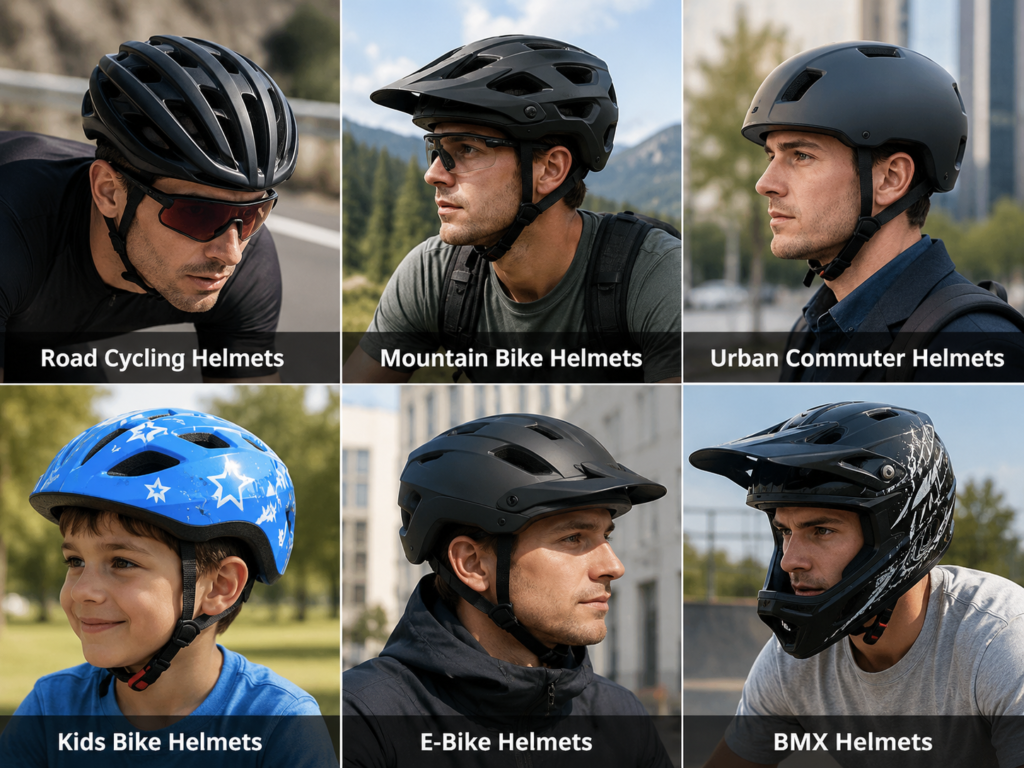
| Helmet Type | Target Market |
|---|---|
| Road Cycling Helmets | Performance riders |
| Mountain Bike Helmets | Trail & off-road users |
| Urban Commuter Helmets | Daily city riders |
| Kids Bike Helmets | Child safety market |
| E-Bike Helmets | Electric bike riders |
| BMX Helmets | Extreme sports users |
This growing market creates strong opportunities for new helmet brands with the right product positioning and manufacturing strategy.
Building a Cycling Helmet Brand Starts With Market Positioning
One of the biggest mistakes new brands make is trying to target everyone.
Successful cycling helmet brands usually focus on a specific market first.
Before developing products, brands should clearly define:
- Target customer group
- Riding category
- Product positioning
- Price range
- Design style
- Sales channels
- Brand identity
A mountain bike helmet brand requires very different product development compared with an urban commuter helmet brand.
For example:
Road Cycling Brands Often Focus On
- Lightweight performance
- Aerodynamics
- Ventilation efficiency
- Racing appearance
Urban Cycling Helmet Brands Focus More On
- Stylish design
- Daily comfort
- Lightweight structure
- Integrated LED lights
- Commuter safety
Kids Helmet Brands Prioritize
- Safety certifications
- Lightweight construction
- Adjustable fit systems
- Bright colors
- Comfortable padding
Clear positioning helps guide every later decision, including product design, manufacturing, packaging, and marketing strategy.
Understanding OEM and Private Label Helmet Manufacturing
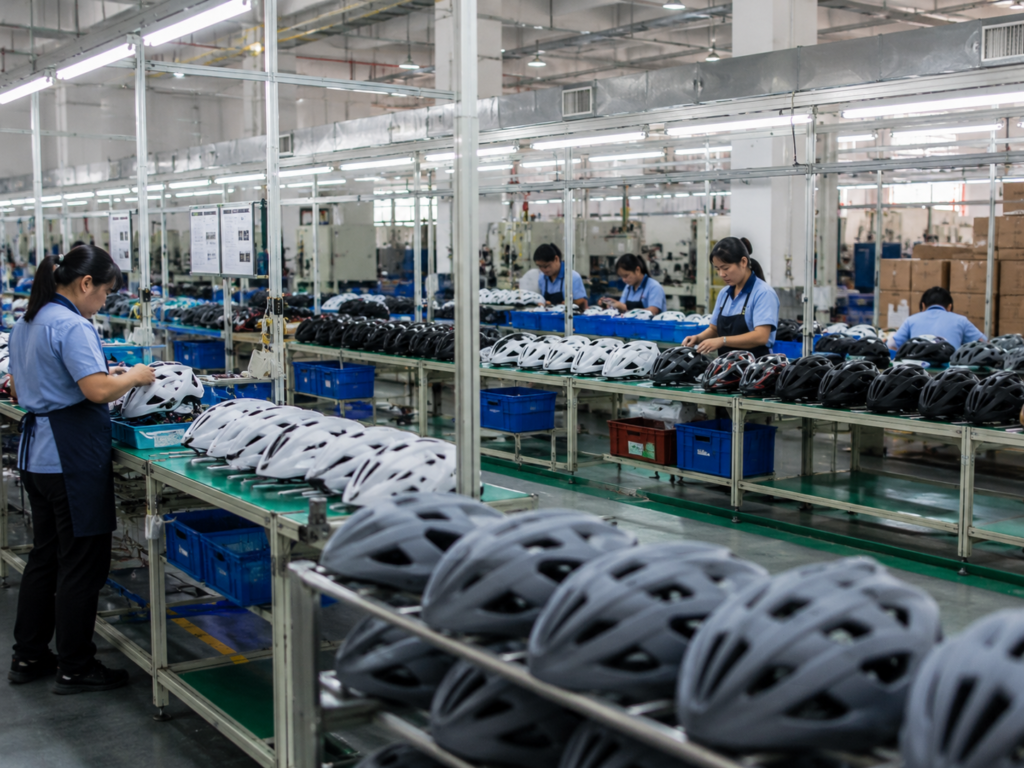
Most new cycling helmet brands do not build their own factories.
Instead, they work with helmet manufacturers or private label bicycle helmet suppliers.
What OEM Helmet Manufacturing Means
OEM (Original Equipment Manufacturing) allows brands to customize helmet products through an existing manufacturer.
OEM bike helmet manufacturing may include:
- Custom logo printing
- Helmet color customization
- Packaging design
- Strap color changes
- Mold modifications
- Custom ventilation layouts
- Private label branding
This approach reduces startup cost while allowing brands to launch products faster.
Private Label Bike Helmets
Private label cycling helmets are pre-developed helmet models that manufacturers customize with the buyer’s branding.
This option is popular for:
- Startups
- Small sports brands
- Online sellers
- Retail distributors
because it lowers development cost and shortens production timelines.
Choosing the Right Cycling Helmet Manufacturer
Selecting the right bicycle helmet manufacturer is one of the most important decisions when starting a helmet brand.
Helmet quality directly affects:
- Rider safety
- Customer trust
- Product reputation
- Return rates
- Long-term brand growth
A professional cycling helmet manufacturer should have experience in:
- EPS helmet molding
- In-mold helmet construction
- Safety certification testing
- Ventilation engineering
- Lightweight helmet development
- OEM helmet production
- Quality control systems
Important Questions to Ask a Helmet Manufacturer
| Question | Why It Matters |
|---|---|
| What certifications do you support? | Safety compliance |
| Do you provide OEM services? | Brand customization |
| Can you develop custom molds? | Product uniqueness |
| What materials do you use? | Product quality |
| What is the MOQ? | Startup planning |
| Do you provide testing reports? | Safety validation |
Working with an experienced custom bike helmet manufacturer greatly reduces production risk during brand development.
Understanding Cycling Helmet Safety Certifications
Cycling helmets are safety products, which means certification is extremely important.
Most countries require helmets to pass strict safety testing before entering the market.
Common Bicycle Helmet Certifications
| Certification | Main Market |
|---|---|
| CPSC | United States |
| EN1078 | Europe |
| ASTM | International |
| CE Certification | European Union |
These certifications test:
- Impact absorption
- Strap strength
- Retention stability
- Structural durability
- Coverage protection
Brands should never ignore helmet certification because safety compliance directly affects legal sales approval and customer trust.
Professional OEM helmet manufacturers usually support certification testing during production development.
Helmet Materials and Construction Methods
Modern cycling helmets combine multiple specialized materials together to improve safety, comfort, and lightweight performance.
Common Bicycle Helmet Materials
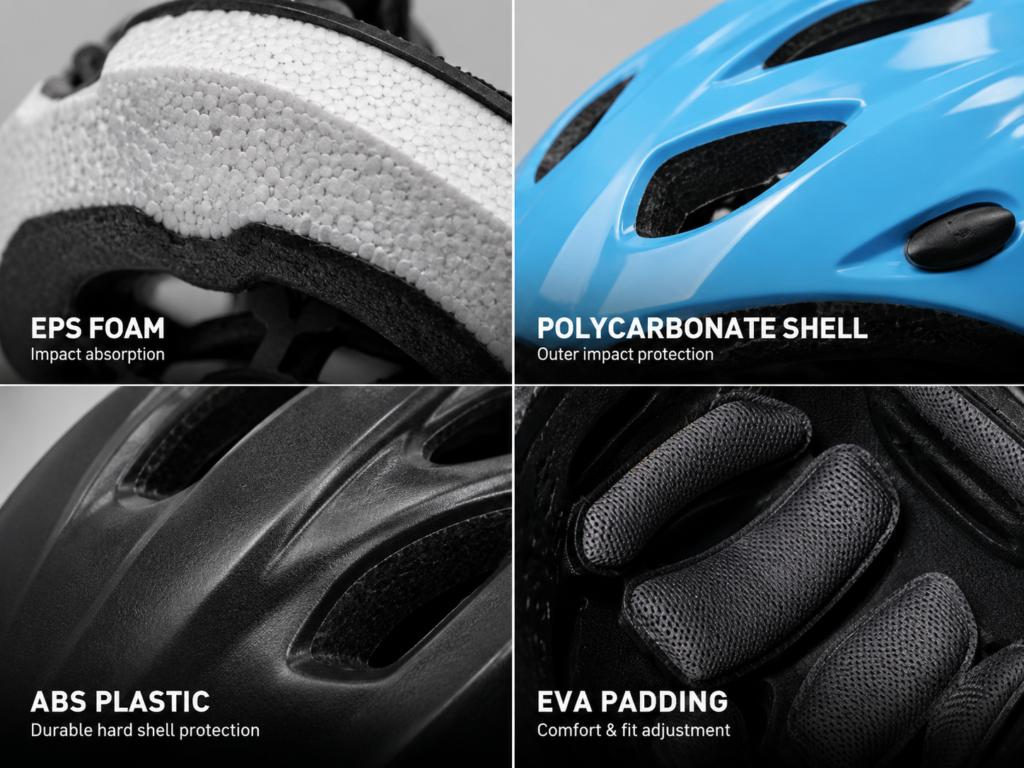
| Material | Function |
|---|---|
| EPS Foam | Impact absorption |
| Polycarbonate Shell | Outer protection |
| ABS Plastic | Hard shell durability |
| EVA Padding | Comfort adjustment |
| Nylon Straps | Retention support |
EPS foam is one of the most important helmet materials because it absorbs crash energy during impact.
In-Mold Helmet Construction
Most modern lightweight cycling helmets use in-mold construction.
This process bonds:
- EPS foam
- Polycarbonate outer shell
together during manufacturing to improve:
- Weight reduction
- Structural strength
- Aerodynamic performance
- Ventilation design
Premium cycling helmet manufacturers focus heavily on balancing lightweight structure and high-impact protection.
Ventilation and Aerodynamic Design Matter More Than Ever
Modern cyclists care heavily about comfort and performance.
This is why advanced ventilation systems and aerodynamic helmet design have become major selling points.
Why Helmet Ventilation Matters
Poor airflow creates:
- Excessive sweating
- Heat buildup
- Riding discomfort
- Reduced long-distance comfort
Modern cycling helmets therefore include:
- Airflow channels
- Ventilation ports
- Moisture-control padding
- Lightweight shell structures
Aerodynamic Helmet Design
Road cycling brands increasingly focus on aerodynamic performance because reduced air resistance improves riding efficiency at higher speeds.
Aerodynamic cycling helmets often use:
- Streamlined shell shapes
- Reduced drag profiles
- Integrated airflow systems
These features are especially important in competitive road cycling markets.
Custom Helmet Design Helps Brands Stand Out
The cycling helmet market has become highly competitive.
Because of this, strong product differentiation is essential for new brands.
Custom bike helmet design may include:
- Unique shell graphics
- Custom color combinations
- Personalized strap systems
- Reflective safety elements
- LED lighting integration
- Custom ventilation patterns
- Magnetic buckle systems
Many modern consumers now choose helmets based not only on safety, but also on visual identity and lifestyle appeal.
Professional custom cycling helmet manufacturers often support product customization throughout the development process.
Packaging and Branding Are Extremely Important
Many new brands underestimate how important packaging is in the cycling industry.
Professional packaging improves:
- Brand image
- Product value perception
- Retail presentation
- Customer experience
Modern helmet packaging often includes:
- Custom printed boxes
- Safety instruction manuals
- Branded helmet bags
- Barcode labels
- Retail display packaging
Strong branding helps smaller helmet companies compete against larger established sports brands.
Quality Control Directly Affects Brand Reputation
Quality control is one of the biggest differences between reliable helmet brands and low-quality market sellers.
Professional bicycle helmet factories inspect:
- Shell bonding quality
- EPS foam consistency
- Strap strength
- Buckle durability
- Ventilation alignment
- Surface finish
- Logo printing quality
Poor quality control may create:
- Product recalls
- Customer complaints
- Safety failures
- Brand reputation damage
For safety products like cycling helmets, manufacturing consistency is extremely important.
How New Helmet Brands Usually Start
Most successful helmet brands start small before expanding product lines.
A common launch strategy includes:
Phase 1
- Start with 1–2 helmet models
- Focus on one target market
- Use OEM or private label production
Phase 2
- Expand color options
- Improve branding
- Add custom packaging
- Develop online marketing
Phase 3
- Create custom molds
- Expand into multiple riding categories
- Build long-term distributor relationships
This gradual approach reduces financial risk while allowing brands to build market experience.
SEO and Digital Marketing Matter for Helmet Brands
Modern cycling helmet brands rely heavily on digital marketing.
Successful helmet companies often invest in:
- SEO content marketing
- Cycling blogs
- Influencer partnerships
- YouTube product reviews
- Social media advertising
- Google Shopping campaigns
SEO keywords commonly used in the cycling helmet market include:
- custom bike helmets
- OEM cycling helmets
- lightweight bike helmets
- road cycling helmets
- mountain bike helmets
- kids bike helmets
- private label helmets
- bicycle helmet manufacturer
- aerodynamic cycling helmets
- cycling safety helmets
Long-form educational content helps improve Google rankings and build long-term organic traffic.
Future Trends in the Cycling Helmet Industry
The cycling helmet industry continues evolving quickly.
Modern consumers increasingly expect:
- Lightweight helmet structures
- Better ventilation systems
- Eco-friendly materials
- Smart safety technology
- Integrated LED lighting
- Improved aerodynamic performance
- Stylish urban helmet designs
As cycling culture continues growing worldwide, the demand for high-quality bicycle helmets will likely continue increasing.
Brands that focus on safety, comfort, design, and reliable manufacturing quality will continue standing out in the competitive cycling market.
Conclusion
Starting a cycling helmet brand involves much more than simply adding a logo to a standard helmet. Modern consumers expect certified safety protection, lightweight comfort, aerodynamic performance, ventilation efficiency, premium materials, and strong product reliability.
Choosing the right bicycle helmet manufacturer, understanding certification requirements, optimizing product positioning, and focusing on long-term product quality are all essential for building a successful helmet brand.
As the cycling industry continues expanding globally, opportunities for custom bike helmets, OEM cycling helmets, private label helmet production, and premium cycling safety products continue growing rapidly.
For brands looking to develop custom cycling helmets, private label bicycle helmets, or OEM sports helmet collections, working with an experienced helmet manufacturer is one of the most important steps toward building a competitive and trusted cycling brand.
If you are looking for professional OEM bike helmet manufacturing, custom helmet development, or private label cycling helmet production, feel free to contact us for product development support and manufacturing solutions.